
Are you ready to get started with rabbits? I have created this beginners guide to rabbits to help you learn everything you need to know. I’ll explain basic care and keeping, provide information on selecting breeds, cages, and have included a basic supply list.
Bunny Basics
Perhaps you’ve recently visited your local pet store, seen some rabbits for sale online, or “unintentionally” came home with a cute fluffy bunny after an animal auction (this may have happened to me once). Maybe you’ve been giving this rabbit idea a lot of thought for quite some time, and are ready to take the next step toward starting a 4-H rabbit project, breeding, or even growing a rabbitry business. Whether you’re looking for a pet, a useful addition to your homestead, or a side hustle investment, here are some basics to help get you started.
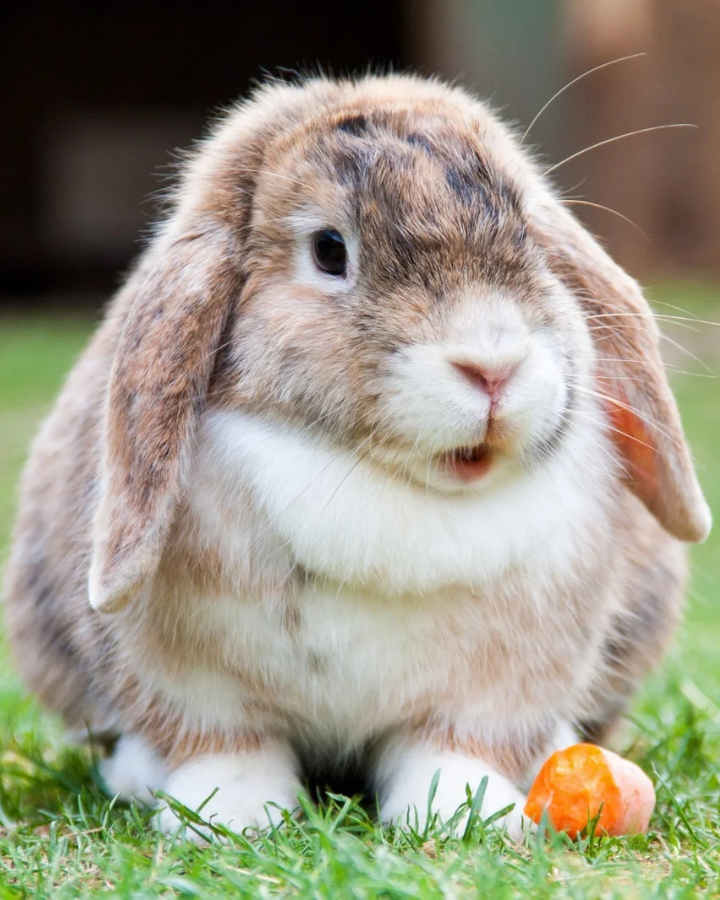
CHOOSE YOUR RABBIT BREED
The first thing you will want to consider when starting with rabbits, is what breed will best suit you and your future desires as a rabbit owner. Are you looking for a pet or do you want to start a business? Will you keep your rabbit indoors or out? How much space do you have? Is this animal going to be cared for by a child or an adult? What size of rabbit do you ultimately want? (Because eventually those cute little bunnies will grow up.)
It’s good to start out with a general idea of what characteristics you are looking for in a rabbit.
For Children or Pets
If your rabbit is a gift or pet that will be enjoyed and handled by children you may want to look for a breed that is medium in size and has a gentle disposition. Netherland Dwarfs, though small, can be a little more feisty and perhaps not idea for inexperienced owners. Smaller breeds of rabbit also tend to be quick and agile, more likely to bolt away at first opportunity. A larger breed, say a Flemish Giant, will be much more calm and may not take more than a few slow hops if allowed to roam. This is great for children who want to play with their pet in a fenced area or family room, however, their larger size and weight will make a large breed rabbit much more difficult for a child to carry and handle.
Good breeds to consider would be the Mini Rex, Dutch, Mini Lop, Harlequin, or Lionhead.
For Meat or Homestead
If your goal is to raise rabbit as a source of food, you’re going to want to look for larger breeds that grow quickly, and provide a good conversion ratio. That’s a fancy term for how efficiently the food you feed them is convert to edible meat. Typically these breeds are large in size and have large litters, making it easy for a breeding pair to provide a sustainable source and adequate supply of meat each year.
Good breeds to consider would be Flemish Giant, Californian, New Zealand, or Rex
For Breeding or Sale
There are multiple reasons someone may want to get into raising rabbit as a source of income. I once read that there are two types of people who breed rabbits. Those who “reproduce” rabbits for the pet industry or markets, and those who “breed” rabbits with the intent of multiplying good genetic lines and breed characteristics which result in show quality animals or desirable color patterns, fur quality, etc.
With any business, when trying to make a profit you must consider quality and quantity. If you’re looking at a common breed that only sells for $10-15 you’re going to have to sell a large quantity to make any real cash, but an exotic or rare breed will bring higher premiums, making your business more profitable.
Locally, we have a rabbitry that breeds angora rabbits for fiber with quality papered bloodlines. These rabbits can easily go for $100. However, because of their long hair they also require regular brushing and more dedicated care than other breeds.
Good breeds to consider for higher market price may be Angora, Cinnamon, or Silver Fox
BUYING YOUR RABBIT
Once you have chosen the breed(s) of rabbits that you are looking to bring home, your next step is to find a place to purchase them.
If you are looking for a papered or pedigree rabbit you may want to start on the American Rabbit Breeder Association website. You can view a list of ARBA breeders and their locations HERE.
Pet stores, local classifieds, online groups, animal auctions, and rabbit shows are also great places to find rabbits for sale.
RABBIT CAGES AND SUPPLIES
When getting started with rabbits, the first thing your rabbit is going to need a place to live. What that looks like can vary widely depending on your unique situation. Are you buying just one rabbit? Are you raising and breeding potentially dozens of rabbits each year? Will your rabbit(s) live indoors or outdoors? Will you be housing your rabbits individually or communally? You can adjust housing and supplies to fit your lifestlye, but let me assure you that rabbits are pretty flexible when it comes to accommodations.
Over my years of owning rabbits, I have used a large variety of cages and housing situations. I have built outdoor units for housing multiple rabbits, various rabbit grazing runs, purchased indoor metal cages with dividers, stacked cages into towers, and I even had one rabbit that was house trained.
Outdoor Housing
A rabbit cage is traditionally called a hutch. A typical hutch is made of a wood frame with metal mesh on the sides and bottom. A roof provides protection from the elements such as rain or snow, and also provides shade on hot days. Hutches designed for outdoor use have legs that keep the rabbit at an easily accessible height, and provide some protection from ground level predators. The open mesh flooring allows for waste to drop out, and collect under the cage where it can easily be removed. This design keeps your hutch cleaner with less effort from you!
Outdoor hutches also require a shelter, such as a wooden box, for the animals to gain protection from wind and winter cold. If your hutch doesn’t have one included in the design, they can easily be added as a stand alone feature. Remember, rabbits naturally make their homes and find protection in burrows which are dark and underground. A box can replicate this idea.
Outdoor hutches can also include a “run”, or area for the rabbit to access grass and exercise. A run can also be a great play yard where humans and animals can interact. These runs could be a separate structure or part of the hutch, and often have a ramp which allows the rabbit to come in and out safely. Keep in mind, rabbits love to dig, so a wire bottom may need to be part of the design, to ensure Thumper isn’t about to make an underground escape.
Indoor Housing
Indoor cages, whether for household use, or commercial use in a shed, are most often made entirely of metal. Metal is a smart and durable product for constructing rabbit cages, since they are rodents, and will tend to chew on any plastic or metal components of their cage. Metal is also easily cleaned and sanitized. Cages designed for indoor use can have a door on the side, or the top may open entirely, allowing easy access to the entire cage. Most also have a metal grid floor with a bedding filled catch tray underneath for droppings and waste. Others, have a solid pan as the bottom portion of the cage that will need to be filled with bedding and cleaned regularly. No matter what cage design you purchase, and indoor rabbit will require some additional time and materials for dealing with the poo problem.
Rabbits can also be litter trained, like a cat, and allowed to roam freely around the house, provided they have a cage to return to as needed. Keep in mind, that just as cats scratch on furniture, a rabbit will try to chew. It is especially imperative to keep electrical cords and other dangers out of their reach.
Bedding
Not all rabbits need bedding all the time, but it is something that comes along with rabbit ownership. I only provide my outdoor rabbits consistent access to bedding in the cold months and when raising kits. But, as explained above, indoor rabbits will require some sort of bedding all the time.
Common bedding materials and liners include paper, wood shavings, straw, hay, and commercially available pet bedding.
Feed
Contrary to common sterotypes, rabbits don’t hop through gardens eating carrots all day. Although rabbits certainly do enjoy a carrot or apple slice now and then, sweet treats should be a limited part of their diet.
There are a large variety of commercially available rabbit pellets and feed mixes available. We feed our rabbits an alfalfa based pellet feed with the occasional grass, hay, or garden produce.
You may need to supplement their diet with a salt or mineral spool.
Since rabbits are rodents, their teeth never stop growing. In the wild, rabbits eat things like leaves and tree bark. If chewing material is not provided to caged rabbits, overgrown teeth can becoming a problem. A branch or wooden block, provides necessary material to knaw those teeth down. Commercially produced options are also available at farm or pet stores. I regularly keep an apple branch, birch log, or small sticks in my hutches for this reason.
Feeders
Metal or ceramic feed dishes are a good option for indoor rabbit feeders. (Remember, they chew on plastic) Stand alone dishes are versatile, able to be used for food, water, or special treats. They are also easily removed for cleaning and refilling. In the winter, metal dishes are best suited for freezing temperatures.
However, stand alone dishes do have some disadvantages. For example, bedding and waste can easily be kicked around the cage, soiling water dishes or becoming mixed with food. As the rabbit hops around their cage, they may knock dishes over and spill their contents, wasting food and bedding. Some rabbits are simply picky and will lift their dishes with their teeth, spilling them and moving them around the cage. Other rabbits may dig and scratch the food straight onto the floor. Choosing a heavy ceramic dish with low sides and a wide base will decrease the chance of it being upheaved.
As a result, gravity feeders are my preferred feeding solution. They attach to the sides of the hutch nearly eliminating the chance of spilling. Most have the option of mounting inside or outside of the cage. Exterior mounting allows you to fill the feeder without opening the hutch door. The hopper design allows for a large quantity of food be to stored and readily accessible to the rabbits at all times. Depending on the breed of your rabbit (and their appetite), the hopper will last several days. Subsequently, you will need to fill their feed less often. That’s less work for you, and consistency for them. The feeding tray reduces the chance of waste getting mixed with the food.
Water Bottles
Similarly, I now use water bottles for my rabbits indoors and out. I believe they provide the most consistent access to fresh water. A rabbit water bottle is the same basic design as any other small rodent pet. Just be sure you choose one that has a large enough volume for your needs.
The basic water bottle design consists of two parts. The first is a bottle that attaches to the side of the cage, and the second is a lid piece made with a metal straw that contains a metal ball. When the rabbit licks the ball, it lifts slightly, allowing water to flow through the straw. Once the rabbit stops licking, the ball seals the straw and prevents water from leaking out. These bottles can be mounted inside or outside of the cage for desired access. However, freezing temperatures render the bottles useless.
Because we live in an area with freezing temperatures several months of the year, I have used metal dishes for many years. Dishes are easy to swap out, thaw, and remove ice. However, two years ago I made the investment in electric heated water bottles for year round use. The design of these bottles is slightly different than a typical water bottle, and are optimized for exterior mounting. This keeps the cords and electrical components inaccessible to the rabbit. The flip top bottle cap allows them to be filled without removing the bottle from the cage wall. You can find the ones I have HERE.
OTHER RABBIT CARE ITEMS
Here are a few more items to consider before you get started with rabbits:
Nail Clippers
Rabbits are natural diggers, and would naturally wear down their nails creating burrows or nests. Therefore, you will need to trim your rabbit’s nails to keep them at a healthy length. There are many styles of animal nail clippers available.
RABBIT SUPPLY LIST
NOW IT’S TIME FOR YOU TO GET STARTED WITH RABBITS!
Pin it for when you are ready to bring your furry friend home
Leave a Reply